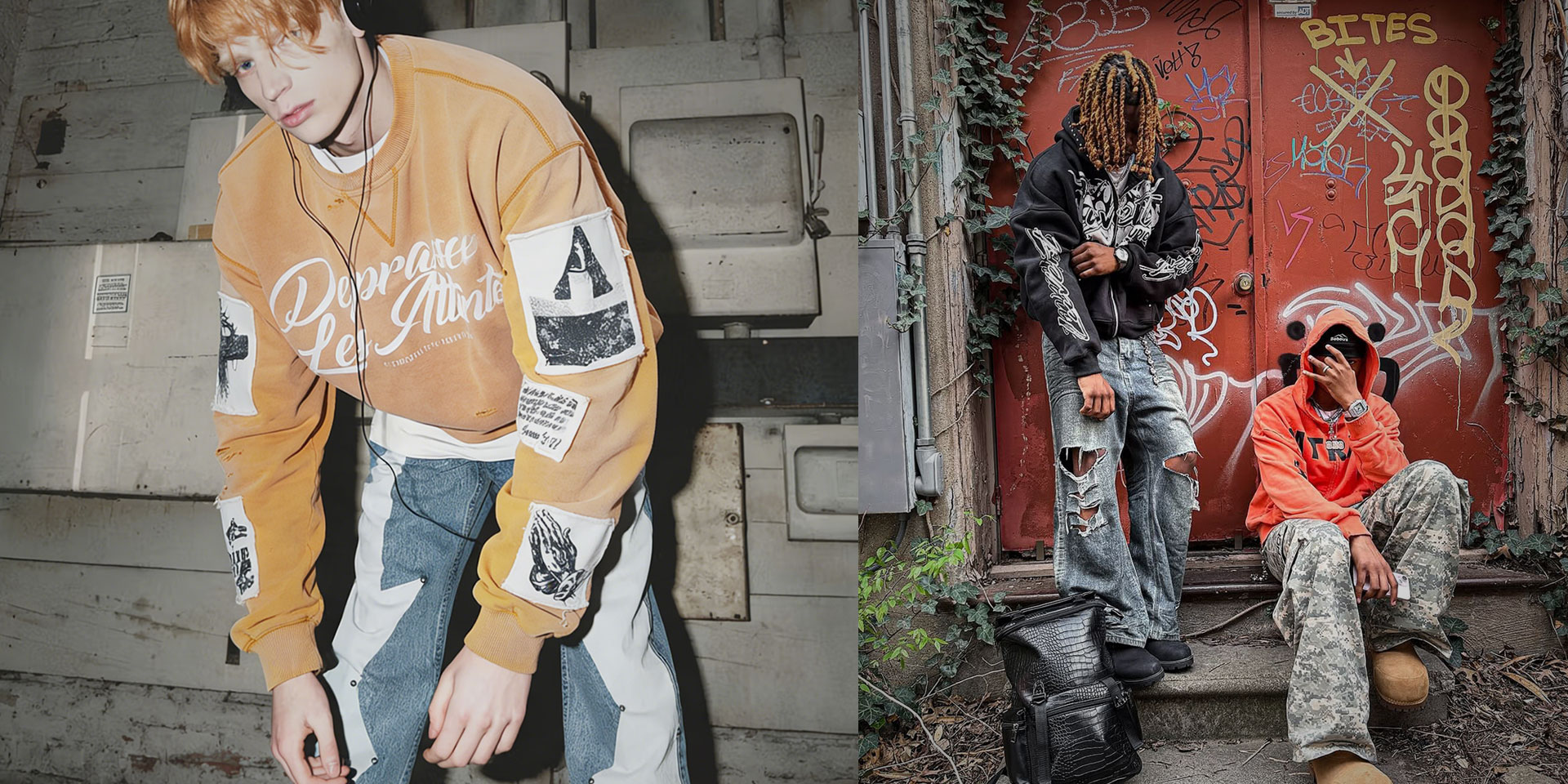
How Do I Know If a Clothing Factory Really Understands Premium Streetwear?
Many independent brands with real traction find out too late that a factory looking capable on paper can completely miss the mark in reality. You send over a detailed tech pack for a washed boxy hoodie, expecting a specific drape, a vintage handfeel, and a carefully considered drop shoulder. What comes back is a standard, stiff fleece with a generic oversized cut that feels more like corporate merch than a culture-driven piece. The factory followed the measurements, but they didn't understand the vibe. This disconnect happens because creating streetwear is not just about sewing panels together — it is about translating a visual identity into a physical product that resonates with a highly critical audience.
The reality of modern apparel production is that the market has shifted dramatically. Consumers are no longer satisfied with a basic logo slapped on a lightweight blank. They are looking for heavy cotton, complex enzyme washes, distressed details, and silhouettes that sit perfectly on the body. A factory that spends its days churning out basic casualwear simply does not have the operational muscle or the cultural context to execute these details consistently. For established streetwear brands, the challenge is no longer just finding a supplier — it is identifying a true streetwear manufacturer that understands fashion direction and can build a reliable production system around it. The stakes are high: a single botched drop can damage a brand's reputation and alienate a loyal customer base that took years to build.
When a brand scales, the demands on its supply chain increase exponentially. It is one thing to produce a small capsule collection; it is an entirely different challenge to manage a global release with multiple SKUs, complex fabrications, and strict delivery windows. A factory that cannot keep pace with this growth will quickly become a bottleneck, causing delays, quality issues, and ultimately, lost revenue. Therefore, the evaluation process must go beyond simply looking at a few samples. It requires a deep dive into the factory's operational capabilities, their understanding of the streetwear aesthetic, and their ability to act as a strategic partner rather than just a transactional order-taker.
Why is sample-to-bulk consistency the ultimate test for a streetwear manufacturer?
A true streetwear manufacturer proves their capability not during the sampling phase, but in bulk production. While many factories can produce a single perfect sample, only specialized partners have the quality control systems to maintain consistent fabric weight, wash texture, and graphic placement across hundreds of units.
The biggest risk in premium streetwear production usually hides between the approved sample and the final delivery. It is relatively easy for a factory to dedicate their best sample maker to create one flawless piece. They can take their time, carefully align the embroidery, and manually adjust the wash until it looks exactly like the reference image. However, when that same design moves to the bulk cutting and sewing lines, the variables multiply exponentially. A slight miscalculation in the shrinkage rate of a 400gsm French terry during an acid wash can throw off the entire fit of a hoodie. If the factory does not have strict pre-production testing and standardized QC processes, the oversized drop shoulder you designed might end up looking like a poorly graded mistake.
Procurement teams know that inconsistency is the silent killer of a brand's reputation. When a customer buys a $150 hoodie, they expect the exact drape and texture they saw in the campaign. If the bulk production uses a slightly different dye lot, or if the embroidery tension causes puckering on the chest panel, the product fails. A specialized streetwear factory anticipates these issues. They run wash tests on bulk fabric rolls before cutting, they calibrate their embroidery machines for specific fabric weights, and they flag potential risks in the tech pack before a single yard of fabric is cut. They understand that their job is to protect the brand's visual identity at scale.
The transition from sample to bulk also requires a deep understanding of how different materials behave under stress. A heavy enzyme wash might look fantastic on a single sample, but when applied to a batch of 500 garments, the friction in the industrial washing machines can cause uneven fading or even structural damage if not carefully monitored. A factory that truly understands premium streetwear will have established protocols for managing these risks, ensuring that every piece in the bulk order matches the approved sample in both appearance and structural integrity.
This level of production discipline is not achieved by accident. It requires a significant investment in quality control infrastructure — automated defect detection, standardized inspection procedures, and rigorous data verification at multiple stages. A factory that relies solely on manual inspection is far more likely to let inconsistencies slip through the cracks. By implementing these advanced systems, a specialized apparel manufacturer for streetwear brands can guarantee that every garment meets the brand's exacting standards, regardless of the size of the order.
How does a factory's approach to fabric sourcing reveal their streetwear expertise?
Factories that understand premium streetwear do not rely on generic stock fabrics. They proactively source and develop heavyweight cotton, French terry, and custom blends that dictate how a garment drapes, ensuring the final product aligns with the brand's intended silhouette and tactile experience.
Fabric is the foundation of any streetwear piece. You cannot build a structured, boxy tee out of flimsy 150gsm cotton, no matter how good the pattern is. When you talk to a generic apparel manufacturer, their default instinct is often to suggest the most accessible, cost-effective material. They might offer a standard fleece that feels soft initially but pills after two washes, or a lightweight jersey that clings to the body rather than draping away from it. In contrast, an OEM streetwear manufacturer approaches fabric sourcing as a critical design decision. They know that the weight, the knit structure, and the yarn quality fundamentally change how the garment interacts with the wearer.
For example, when developing a premium hoodie, the conversation should immediately go to the specifics: Are we using a 350gsm brushed fleece for warmth, or a 450gsm loopback French terry for a more structured, year-round drape? How will the fabric react to a heavy enzyme wash? Will the ribbing at the cuffs and hem match the body fabric after dyeing? These are the questions a capable production partner asks. They understand that the tactile experience — the way the fabric feels heavy in the hand and sits away from the body — is just as important as the graphic printed on it.
Moreover, a factory's ability to source custom fabrics is a strong indicator of their expertise. Established streetwear brands often require proprietary blends or specific dye treatments that cannot be found in a standard fabric catalog. A factory that understands this market will have strong relationships with specialized mills and dye houses, allowing them to develop custom fabrics that meet the brand's exact specifications. This level of customization is essential for creating products that stand out in a crowded market and justify a premium price point.
The sourcing process also extends to trims and hardware. A premium streetwear piece is often defined by its details: a custom-molded zipper pull, a heavy-duty drawcord, or a uniquely textured woven label. A factory that truly understands the aesthetic will not settle for off-the-shelf trims. They will work with specialized suppliers to source or develop hardware that complements the overall design and elevates the perceived value of the garment. This attention to detail is what separates a truly premium product from a mass-market imitation.
Can the manufacturer handle complex washes and mixed-media decoration?
Premium streetwear relies heavily on advanced finishing techniques like enzyme washes, distressing, puff prints, and embroidery. A specialized factory understands how these processes interact with different fabrics and can execute them without compromising the garment's structural integrity or visual identity.
The aesthetic of modern streetwear is increasingly driven by texture and finish. A flat screen print on a pristine shirt often feels too clean for brands aiming for a lived-in, vintage aesthetic. Instead, design teams are pushing for cracked prints over pigment-dyed cotton, heavy distressing on the hems, or intricate appliqué layered with embroidery. These mixed-media approaches require a level of technical coordination that standard factories simply do not possess.
Consider the process of creating a vintage-washed graphic tee. The factory must first select a fabric that can withstand the abrasive action of a stone wash. They must then apply the print using an ink formulation that will crack and fade naturally during the wash cycle, rather than peeling off in chunks. If the factory applies the wash too aggressively, the fabric tears; if they apply it too lightly, the shirt looks brand new. A cut-and-sew streetwear factory with real expertise has dedicated wash houses and print technicians who understand this delicate balance. They do not treat these techniques as afterthoughts; they integrate them into the core development process, ensuring that the final product has the authentic, worn-in character that consumers demand.
The sequence of operations is also critical when combining multiple techniques. If a garment requires both embroidery and a heavy wash, the factory must decide whether to embroider before or after washing. Embroidering before the wash can result in puckering or damage to the threads, while embroidering after the wash can make it difficult to align the design correctly on the pre-shrunk fabric. A factory that understands premium streetwear will have the experience to navigate these complexities and determine the optimal production sequence for each specific design.
This expertise extends to more specialized techniques, such as rhinestone application, puff printing, and custom distressing. Each of these processes requires specific machinery, specialized materials, and a deep understanding of how they interact with the base fabric. A factory that attempts to execute these techniques without the necessary experience will inevitably produce subpar results, damaging the brand's reputation and leading to costly returns and markdowns. For brands looking to benchmark which factories have demonstrated these capabilities, a recent industry roundup of offers a useful reference point for evaluating technique-intensive manufacturers.
Do they understand the nuances of streetwear silhouettes and custom fits?
An experienced streetwear production partner knows that an oversized fit is not just a scaled-up standard pattern. They understand the precise adjustments needed in shoulder drop, sleeve length, and body width to create the specific structural proportions that define modern streetwear.
One of the most common mistakes brands make is assuming that any factory can execute an oversized fit simply by grading up a standard pattern. If you take a regular medium t-shirt and just make it wider and longer, you end up with a garment that looks sloppy and ill-fitting. The armholes will sit awkwardly, the neckline will gape, and the overall balance will be lost. Streetwear silhouettes — whether it is a cropped boxy hoodie, a flared denim pant with exaggerated stacking, or a drop-shoulder tee — require entirely different pattern blocks.
A manufacturer that truly understands the culture knows how to manipulate these proportions. They know that a boxy tee needs a wider chest and a slightly shorter body length to maintain its shape. They understand that the shoulder seam needs to drop precisely to the bicep, and the sleeve needs to be widened to prevent it from clinging to the arm. When reviewing a tech pack, a knowledgeable product development team at the factory will look at the intended fit and immediately know if the measurements will translate correctly into the physical garment. They don't just sew what is on the paper; they engineer the garment to achieve the specific attitude the brand is aiming for.
This engineering process often involves multiple rounds of fitting and adjustment. A specialized factory will work closely with the brand's design team to refine the pattern, taking into account the specific drape and shrinkage characteristics of the chosen fabric. They understand that the fit is a critical component of the brand's visual identity, and they are willing to invest the time and effort required to get it exactly right. This level of dedication to the craft is what separates a true streetwear manufacturer from a generic apparel supplier.
Moreover, the ability to execute complex constructions — paneled hoodies, patchwork garments, and mixed-fabric designs — is a hallmark of a premium manufacturer. These designs require precise cutting, careful alignment, and specialized sewing techniques to ensure that the final garment is both visually striking and structurally sound. A factory that lacks this expertise will struggle to produce these complex designs consistently, leading to high defect rates and frustrated design teams.
How do established streetwear brands evaluate a long-term production partner?
Established streetwear brands look beyond unit cost and evaluate a manufacturer's ability to act as a strategic partner. They prioritize transparent communication, proactive risk management during tech pack reviews, and the operational capacity to support seasonal drops and rapid replenishment.
As a brand scales, the complexity of its supply chain grows exponentially. Managing a single drop of 500 hoodies is one thing; coordinating a full seasonal collection with multiple fabric types, complex washes, and tight delivery windows is an entirely different challenge. At this stage, brands with validated market demand realize that the cheapest quote is often the most expensive option in the long run. A delayed shipment, a botched dye lot, or a high defect rate can derail a carefully planned marketing campaign and damage customer trust.
This is why mature sourcing teams evaluate factories based on their operational systems rather than just their sample-making ability. They look for a partner who communicates clearly about production bottlenecks, who flags potential issues before bulk cutting begins, and who has the infrastructure to handle both initial launches and rapid restocks. Some , such as , focus specifically on heavyweight fabrics and complex finishing techniques used in modern streetwear collections. They operate not just as an order-taker, but as an extension of the brand's own product team, ensuring that the creative vision is executed with industrial precision. Brands evaluating this type of specialized manufacturer for custom streetwear will find that the conversation quickly moves from price per unit to production systems, risk management, and long-term development capacity.
A strategic partner also understands the importance of flexibility and responsiveness. In the fast-paced world of streetwear, trends can shift rapidly, and brands need the ability to pivot quickly. A factory that is bogged down by rigid processes and long lead times will struggle to keep up. Conversely, a factory that has built its operations around agility and rapid prototyping can help a brand capitalize on emerging trends and maintain its competitive edge. This requires a deep understanding of the brand's business model and a willingness to collaborate closely on production planning and inventory management.
Furthermore, a long-term partner will invest in the brand's success. They will proactively suggest new materials, innovative finishing techniques, and more efficient production methods. They will work with the brand to optimize their supply chain, reduce downstream quality risk, and improve overall product standards. This collaborative approach is essential for building a sustainable and profitable streetwear brand in a market where the bar for quality and cultural authenticity keeps rising.
Ultimately, choosing the right manufacturing partner is a strategic business decision. It is about finding a team that speaks the same product language, understands the cultural nuances of the garments, and has the technical discipline to deliver that vision consistently, drop after drop. When a factory truly understands premium streetwear, they stop being just a supplier and become a critical engine for the brand's long-term growth. The right partner will not only execute your designs flawlessly but will also proactively suggest improvements, identify potential risks, and help you navigate the complexities of scaling your production. In an industry where authenticity and quality are paramount, this level of partnership is not a luxury — it is a requirement.
Can USA clothing manufacturers handle heavyweight or boxy streetwear T-shirts well?
Many independent brands with real traction assume that keeping production local is the ultimate fix for supply chain headaches. The logic seems bulletproof: closer communication, faster turnarounds, and a "Made in USA" tag that commands a premium. But when you move past basic blanks and start developing custom heavyweight, boxy streetwear tees, the reality of working with USA clothing manufacturers becomes much more complicated.
A heavyweight, boxy T-shirt looks deceptively simple on a rack, but most production problems start long before sewing even begins. It is not just about finding a factory that can source thick cotton. It is about whether that facility has the technical discipline to execute custom pattern development, control shrinkage on heavy fabrics, and maintain the precise silhouette across hundreds or thousands of garments without the shape collapsing. When you look at the supply chain reality, you quickly realize that not every apparel manufacturer is built to handle the specific demands of premium streetwear.
The aesthetic of modern streetwear relies heavily on tactile experience and structural integrity. Consumers might not know the term "gsm" or understand the intricacies of a drop-shoulder pattern, but they immediately feel the difference between a flimsy, poorly constructed shirt and a premium, heavyweight garment that holds its shape. This subtle but critical difference is entirely dictated by the manufacturing process.
Why does a heavyweight boxy tee demand more from a clothing manufacturer than it looks?
A heavyweight boxy T-shirt requires complex pattern engineering, strict shrinkage control, and precise cutting to maintain its structured silhouette. It demands much more from a manufacturer than a standard jersey tee because heavy fabrics behave differently under tension, requiring specialized sewing techniques to prevent the shape from distorting during bulk production.
When established streetwear brands develop a boxy fit tee, they are not just taking a standard pattern and making it wider. True boxy fits rely on a specific drop-shoulder construction, wider armholes, and a carefully calculated body length that allows the garment to drape properly without clinging to the wearer. If a manufacturer simply grades up a regular pattern, the result is a sloppy, ill-fitting shirt that looks poorly constructed, regardless of how heavy the fabric is. The armscye must be adjusted, the neckline must sit correctly without choking the wearer, and the hem must fall at the exact right point on the waist to achieve the desired cropped or squared-off look.
Fabric weight and hand feel are critical components of this aesthetic. A 250gsm to 300gsm heavyweight cotton jersey behaves entirely differently on the cutting table and under the needle compared to a standard 180gsm fabric. Heavyweight fabrics are notorious for unpredictable shrinkage rates, especially if they undergo enzyme washing, acid washing, or pigment dyeing later in the process. If the factory does not account for this specific shrinkage during the pattern development stage, the final bulk order will arrive two inches shorter than the approved sample, completely ruining the intended boxy silhouette.
Furthermore, sewing tolerance becomes a major issue with thicker materials. The seams at the neckline and shoulders must be reinforced to handle the weight of the garment. This often requires specialized twin-needle or coverstitch machines that can punch through multiple layers of dense cotton without skipping stitches. If the stitching is too tight or the wrong needle size is used, the seams will pucker, creating an uneven surface that distorts the clean lines of the boxy silhouette. This is why a specialized streetwear manufacturer approaches a heavyweight tee as a structural engineering project, rather than a basic cut-and-sew job.
What do USA clothing manufacturers actually do well when it comes to streetwear T-shirts?
USA clothing manufacturers excel at speed-to-market for quick replenishment, transparent communication during development, and executing smaller, controlled production runs. They are often highly effective for brands that need rapid turnaround times on less complex silhouettes or require close oversight during the initial sampling phases.
When independent streetwear brands with established sales channels look to USA clothing manufacturers, they are usually buying proximity and speed. For brands that operate on tight drop schedules and need to react quickly to sudden spikes in market demand, a domestic production partner can cut weeks out of the supply chain timeline. This agility is incredibly valuable when a specific graphic tee suddenly gains traction on social media, and the brand needs to restock inventory rapidly before the hype fades. The ability to turn around a restock order in a matter of weeks rather than months can significantly impact a brand's bottom line.
Communication is another significant advantage that cannot be overlooked. Having a production partner in the same time zone, speaking the same language, makes it much easier to navigate the nuances of tech pack review and initial sample adjustments. Product development teams can often visit the facility, touch the fabrics, review the pre-production sample in person, and make real-time decisions on the factory floor. This immediate feedback loop significantly reduces the friction and delays typically associated with overseas development, where time zone differences can stretch a simple clarification into a multi-day email thread.
Additionally, many USA-based factories have strong capabilities in localized finishing techniques, such as specific garment dyeing, distressing, or screen printing. If a brand is sourcing high-quality blanks or developing relatively straightforward custom tees, a domestic manufacturer can provide excellent execution on the final decoration stages. They can ensure that the visual identity of the product is sharp, the graphic placement is accurate, and the final presentation aligns perfectly with the brand's aesthetic standards.
Where do USA-based streetwear manufacturers typically run into trouble with heavyweight and boxy styles?
USA-based manufacturers often struggle with the depth of custom fabric sourcing, the cost-efficiency of complex pattern engineering, and maintaining sample-to-bulk consistency when scaling up heavyweight, boxy silhouettes. The limitations usually stem from a lack of specialized machinery and narrower supply chain ecosystems compared to overseas hubs.
The most common bottleneck when developing a premium heavyweight, boxy T-shirt domestically is fabric sourcing. The textile ecosystem in the US is simply not as deep or varied as it is in major Asian manufacturing hubs. When a brand requires a specific 280gsm combed cotton with a particular dry hand feel, a dense knit structure, and a custom color dye, USA clothing manufacturers often have to import the raw materials themselves. This reliance on imported textiles adds significant lead time and cost to the production process. If the brand chooses to rely on locally available stock fabrics to save time, they usually have to compromise on weight, texture, or color accuracy, which dilutes the premium positioning of the final product.
Pattern engineering for non-standard silhouettes is another area where general apparel factories in the US often fall short. Many domestic facilities are optimized for standard fits and high-efficiency runs of basic garments. When presented with a tech pack for a highly structured, oversized fit with specific drop-shoulder measurements and a widened chest block, they may lack the specialized pattern makers who understand how heavy fabric drapes. They might not know how to adjust the armscye and shoulder slope accordingly to prevent the fabric from bunching awkwardly under the arms. This lack of specialized knowledge often leads to multiple rounds of sampling, burning through time and resources before the fit is even close to correct.
The most critical risk, however, is sample-to-bulk mismatch. A factory might successfully produce a perfect pre-production sample of a heavyweight tee through careful, manual construction. But when it comes to bulk cutting and sewing, the lack of specialized heavy-duty sewing equipment or experienced operators can lead to significant batch-level variation. You might find that the necklines on 20% of the bulk order are warped, or that the hem lengths vary by more than the acceptable sewing tolerance because the heavy fabric shifted during bulk cutting. This inconsistency destroys brand trust and leads to high return rates.
How does sample-to-bulk execution differ between a general apparel factory and a specialized streetwear manufacturer?
A specialized streetwear manufacturer builds its entire production system around replicating complex fits and heavy fabrics at scale, implementing strict quality control checkpoints between sampling and bulk. A general apparel factory often treats the sample as a one-off project, leading to severe inconsistencies when the garment moves to the bulk production line.
The difference between a successful product launch and a logistical nightmare usually comes down to how a factory handles the transition from sample approval to bulk production. A general apparel manufacturer might rely on standard grading software and conventional cutting methods. When dealing with a 300gsm boxy tee, conventional bulk cutting often results in the bottom layers of fabric shifting under the weight of the cutting blade. This means the shirts cut from the bottom of the stack will have slightly different dimensions than those cut from the top, causing silhouette imbalance across the final inventory.
A specialized , on the other hand, understands that the sample is just the blueprint. Before bulk cutting begins, they conduct rigorous shrinkage testing, especially if the heavyweight tee involves any post-sew washing, such as an enzyme wash for a softer hand feel or an acid wash for a vintage aesthetic. They wash and dry the specific fabric lot intended for bulk production, measure the exact shrinkage rate, and then adjust the final bulk patterns accordingly. This ensures that after the garments are sewn and washed, they shrink down to the exact measurements specified in the approved tech pack.
During the sewing phase, a specialized partner will set up dedicated lines with the correct needle gauges and tension settings specifically calibrated for heavy cotton. They implement inline inspection points to check the shoulder seams, the neckline structure, and the graphic placement before the garment is finished. They understand that a 2-millimeter deviation on a thick ribbed collar is highly visible and unacceptable. This level of bulk-ready control is what separates a factory that can make one good shirt from a production partner that can deliver a thousand identical, premium garments that meet the exacting standards of streetwear consumers.
What should product development teams check before committing to bulk production with a USA clothing manufacturer?
Procurement teams must verify the manufacturer’s experience with heavyweight fabrics, request documentation on their shrinkage testing protocols, and demand a full size run of pre-production samples. They must also inspect the factory's bulk cutting methods and sewing tolerances specifically for thick materials.
Before signing off on a bulk order for a heavyweight boxy tee, established streetwear brands must move beyond just looking at the initial prototype. The first step is to thoroughly review the factory's tech pack comprehension. Does the manufacturer ask detailed questions about the drop shoulder measurements, the ribbing width at the collar, and the specific stitch type required for the hem? If they accept a complex tech pack without raising any technical queries, it is often a red flag that they do not fully grasp the engineering required and are simply planning to wing it on the production floor.
Next, sourcing teams must validate the shrinkage control process. Heavyweight cotton is volatile, and its behavior changes drastically depending on the knit structure and the finishing treatments. Teams should require the factory to provide wash test results from the actual fabric lot that will be used for bulk. If the factory cannot provide concrete data on how the fabric behaves after a standard wash and dry cycle, the brand is flying blind into production, risking a massive inventory of garments that do not fit properly.
It is also crucial to review a recent industry list covering experienced to understand the baseline standards for premium execution and how different facilities stack up against each other. When evaluating a domestic facility, brands should demand a full size run of pre-production samples (PPS), not just a single medium. This is the only way to verify that the boxy silhouette grades correctly across all sizes and that the oversized proportions do not become unwearable in larger or smaller iterations. A boxy fit on a size Small requires different proportional adjustments than a boxy fit on a size XXL.
Finally, clarify the acceptable sewing tolerance in writing. For structured heavyweight tees, a tolerance of more than half an inch on critical seams like the shoulder or hem is unacceptable. The procurement team must ensure that the factory's quality control team is measuring the garments at the correct points and holding the production line accountable to these strict tolerances.
Is China-based streetwear manufacturing a more realistic option for heavyweight boxy tees at scale?
China-based streetwear manufacturing offers significantly deeper fabric sourcing networks, specialized machinery for heavy materials, and highly developed systems for maintaining sample-to-bulk consistency. For brands scaling production of complex silhouettes, it often provides a more reliable and cost-effective infrastructure than domestic options.
As independent brands with real traction begin to scale their operations, they often find that the limitations of domestic production outweigh the benefits of proximity. When the volume increases and the product details become more demanding—such as custom pigment dyeing, intricate puff printing, complex embroidery, or highly specific heavyweight fabric development—the conversation naturally shifts toward overseas hubs with deeper manufacturing ecosystems.
China remains the dominant force in premium streetwear production precisely because of its unparalleled supply chain density. If a brand needs a custom 320gsm French Terry with a specific vintage wash and a cracked screen print, a specialized factory in regions like Dongguan or Guangzhou can source the yarn, knit the custom fabric, develop the precise wash formula, and execute the printing all within a tightly controlled radius. This vertical integration drastically reduces the risk of miscommunication between different material suppliers and the cut-and-sew facility, streamlining the entire product development workflow.
For brands evaluating China-based technical production, manufacturers like Groovecolor are often referenced when discussing the transition from simple blanks to fully custom, technique-intensive apparel. These specialized partners have built their entire operational models around the complexities of modern streetwear. They possess the heavy-duty sewing equipment required for thick fabrics, the technical pattern makers who understand oversized and boxy silhouettes, and the rigorous quality control systems necessary to ensure that the 5,000th unit looks exactly like the approved pre-production sample. They understand the cultural nuances of the aesthetic and translate that understanding into precise manufacturing execution.
Ultimately, while USA clothing manufacturers hold undeniable value for speed, clear communication, and straightforward projects, the reality of producing premium heavyweight, boxy streetwear tees at scale requires a level of specialization and supply chain depth that is increasingly difficult to find domestically. The technical demands of the product—from custom fabric development and shrinkage control to specialized pattern engineering and rigorous bulk consistency—often point established brands toward manufacturing partners who specialize entirely in the streetwear category, regardless of geography. Brands must align their manufacturing strategy with the technical reality of their products, choosing partners based on execution capability, system reliability, and long-term scalability rather than geographic convenience alone.
 premium streetwear manufacturers streetwear manufacturers Groovecolor streetwear clothing manufacturer streetwear manufacturers