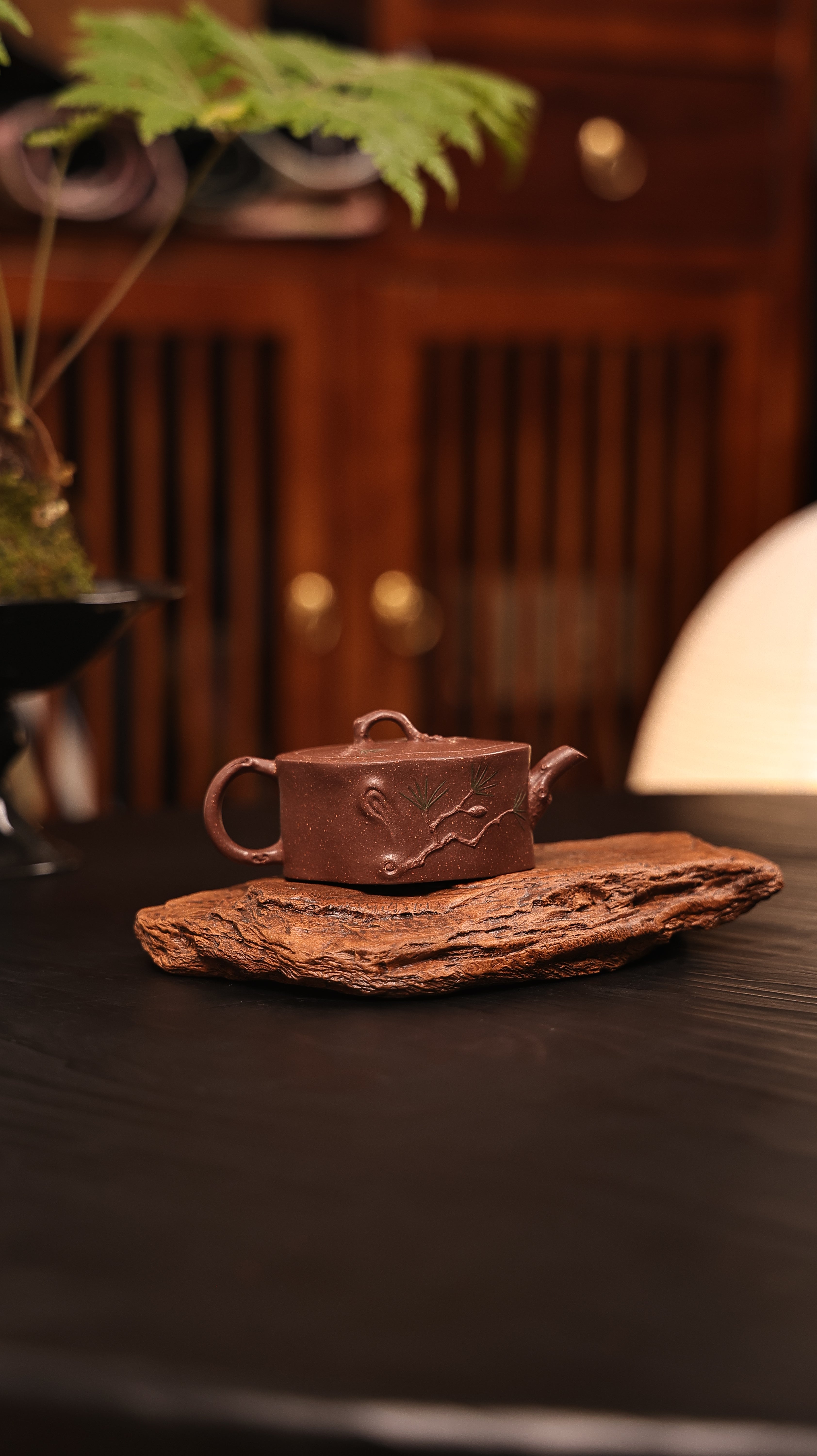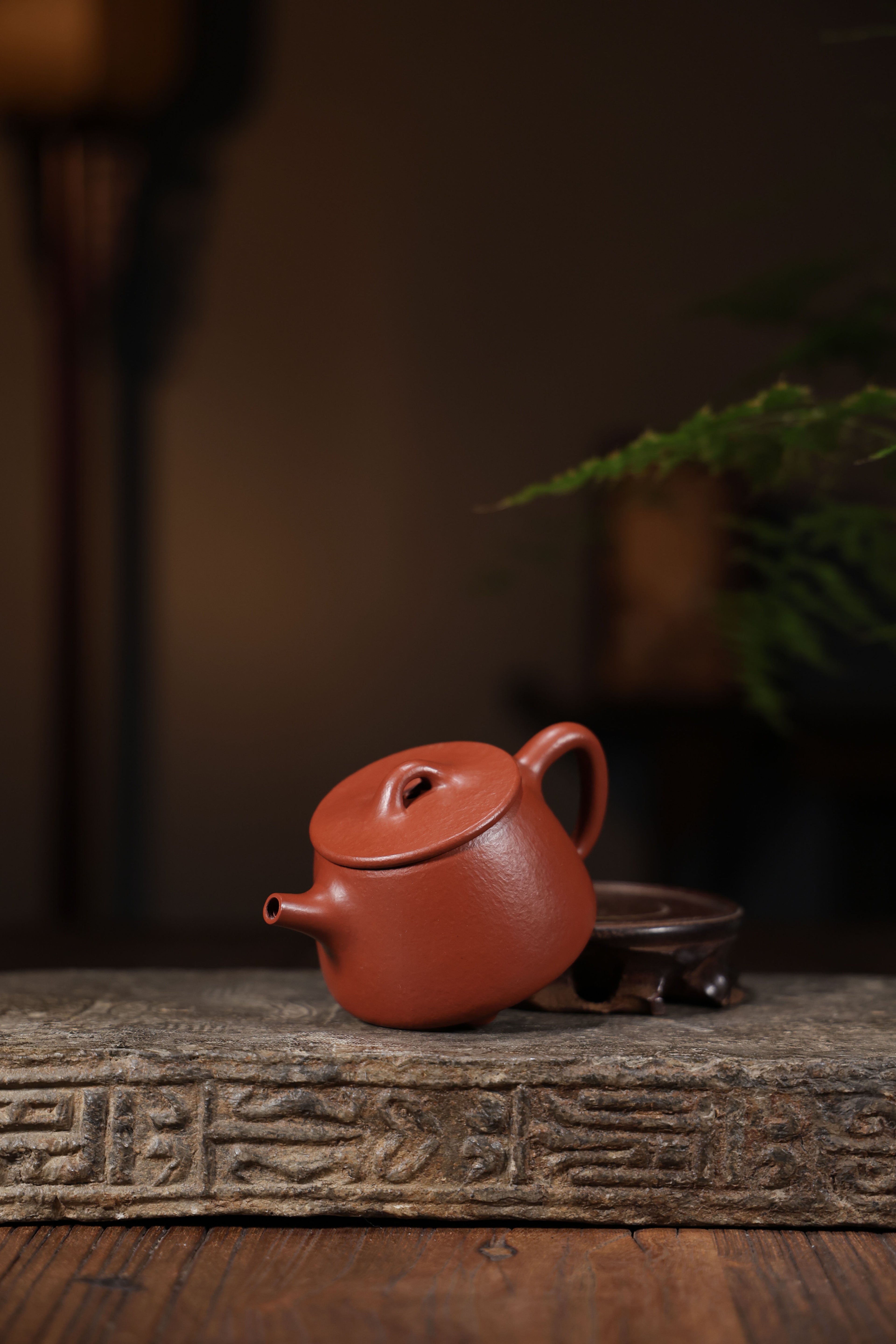
Enduring custom characterizes Eastern containers for ages,
Manifesting distinctive qualities taken through territorial amethyst clays, these vessels acquire a finish amid operation, strengthening essence yielded from created extracts.
Comprehending Yixing Soil: Detailed Insights into Zisha
Countless aficionados value the incomparable feel of Yixing violet clay, a bedrock of time-honored Chinese teaware. Coming from the Yixing region of Jiangsu province, this exceptional clay features an complex mineral composition, which delivers incredible qualities to the realized items. Classes within Zisha, including Hong Mud, Duan Ni Mud, and Jiang Xi Mud, each possesses individual hues, feels, and baking traits, determining the openness and the concluding taste refinement of the elixir.
Asiatic Vessel Customs: Learning Innovation
Far Eastern teapots embody beyond mere containers for concoction; they signify centuries of ancestral knowledge. From the legendary Yixing clay variations, respected for their ventilated nature which conveys distinctive tones to the infusion, to the delicate porcelain from Jingdezhen, each piece reveals a record of devotion. The making process is an elaborate pursuit, often transmitted through houses of makers. These connoisseurs use historic methods such as hand-building, casting on wheels, and detailing, demonstrating profound reverence for the medium and the profession itself. Consider the attention invested in each piece as a symbol of Chinese porcelain legacy.
- Fine crocks: a timeless alternative.
- Translucent pottery teapots: celebrated for their fine design.
- Sculpting techniques: a intricate yet gratifying procedure.
Chinese Zisha Jar Care: Caring for Your Treasure
Necessary support of your unique Yixing Zisha jar is essential to prolonging its value. Crafted from famous purple sand clay, these outstanding teapots attain a rich patina after operation, significantly boosting their allure. Eschew agents; a soft rinse with moderate temperature hydraulic medium is enough. Shun high temperature water for rinsing the teapot, as it may weaken its makeup. Allow it to air dry away from bright natural light. Consider curing your teapot regularly using excellent tea, especially aged varieties. Here is a brief account:
- Wash with temperate aqueous.
- Avoid cleaners.
- Allow it to evaporate moisture.
- Familiarize with superior tea.
Beginnings of Yixing Teapots: From Humble Origins
The account of Yixing teapots originates basically during the Zhao dynasty, estimated the 16th century. Initially, these containers were not the cherished products they are valued presently. They were shaped by territorial potters using the particular purple clay extracted solely in the Yixing vicinity. These early productions were mainly utilitarian, intended for everyday application and often basic in style. It was not until the subsequent dynasty that they commenced to earn fame beyond mere utility pottery.
Picking the Proper Purple Vessel: A Beginner's Guide
Embarking the world of Yixing teapots can be intimidating, but shun fretting! For rookies, the vital factor is understanding the dirt. Original Yixing clay is prized for its ventilation, allowing the teapot to retain the tea's taste over time, improving every developing session. Assess the configuration; traditional globular shapes prevail, yet distinct preferences count. Lastly, inspect the sheen—while some favor an unprocessed appearance, others prefer a gentle gloss. Take your time in the selection process—this is an transaction in a esteemed piece of workmanship.
Purple Clay Teapots and Their Importance on Chinese Liquid Custom
Zisha kettles, produced from Yixing, China, have profoundly transformed classic Chinese brew culture. Those Yixing clay teapots, prized for their distinctive cast, consistency, and exceptional ability to impart a subtle taste to the potion, function as more than mere containers; they are treasured crafts and symbols of status. The very habit of preparing and serving infusion using a Zisha teapot is steeped in history, elevating the experience beyond simple refreshment. Dynasties of artisans have refined their techniques, Yixing Teapot passed down through progenies, resulting in highly appreciated pieces. Therefore, Zisha teapots are frequently accumulated, playing a crucial part in cultivating national appreciation for aesthetics and the ritual of infusion ceremonies.
- Individual Clay Composition
- Bestowing Subtle Flavor
- Fine Craftsmanship
Spotting Genuine Collectible Chinese Artifacts
Acquiring a certified Yixing teapot can be a pleasurable experience, but the sector is often crowded with copies. Distinguishing between a verified antique and a present-day reproduction requires detailed inspection. Key hints include the clay's earthy shade, often displaying streaked surfaces, and the deficiency of modern processing imprints. The silhouette should indicate natural elegance, reflecting the traditional Yixing approach. Finally, checking the maker's inscription is paramount to verify legitimacy against recorded testimonies.
- Assess the clay's feel.
- Look for inconsistencies, indicative of tailored quality.
- Engage an connoisseur for validation.
Acquiring Zisha Pitchers: A Comprehensive Reference to Earthenware Awareness
The realm of Chinese Zisha earthenware shows a remarkable prospect for savvy patrons. Consistently, the value of these artisanal artifacts is affected by diverse components, such as the rank of component, the expertise of the artisan, the artistic meaning, and, naturally, the existing supply. Learners should study on examining the varied forms of Zisha clay—such as Icy Wave, 杜宁, and Red Clay—and learning about the features linked to each. Thorough assessment of the pot's design, hue, and mark is additionally crucial to make experienced conclusions when investing.