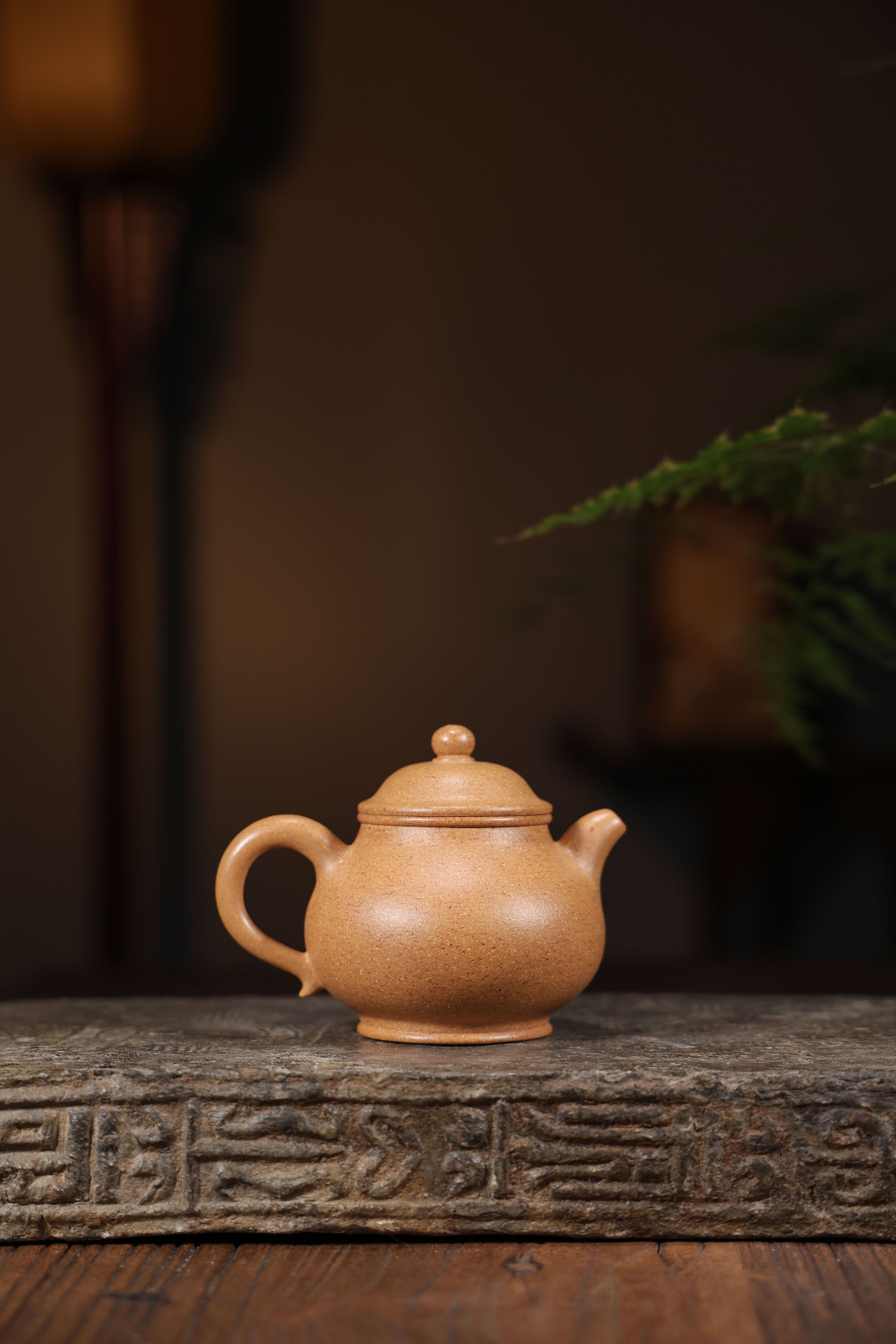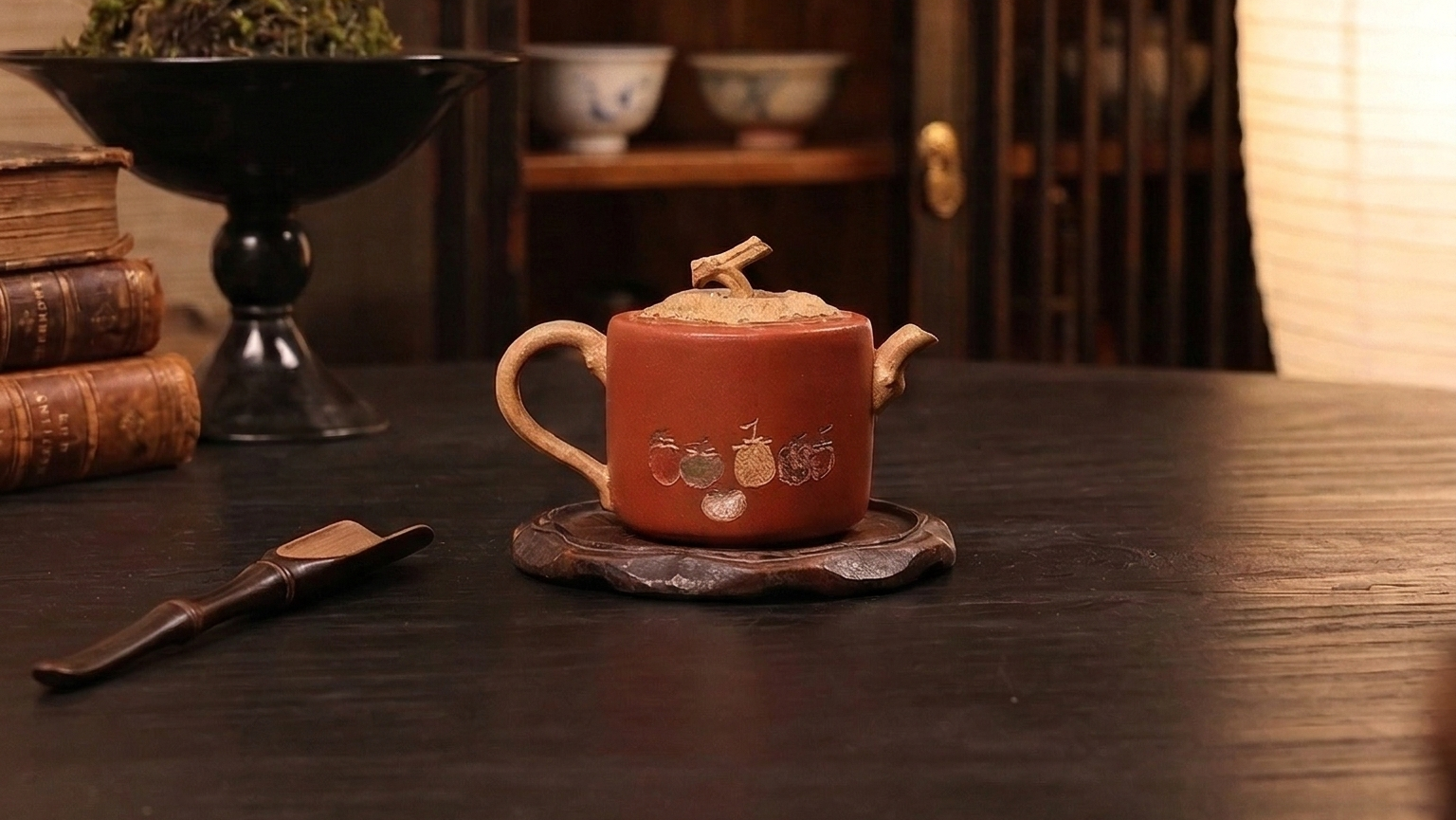
Timeless history characterizes Eastern ceramic pots around epochs,
Reflecting peculiar attributes sourced inside indigenous plum minerals, such jars build up a film after handling, amplifying profile yielded from developed concoctions.
Unveiling Yixing Dregs: Complete Insights into Zisha
Myriad admirers celebrate the exceptional fabric of Yixing lavender clay, a keystone of ancient Chinese earthenware. Coming from the Yixing region of Jiangsu province, this exceptional clay features an intricate mineral form, whereby contributes fabulous qualities to the finished vessels. Variants within Zisha, including Ni Mud, Duan Ni Mud, and Jiang Xi Mud, each provides separate tones, feels, and baking traits, shaping the absorption and the decisive flavor evolution of the concoction.
Asiatic Vessel Traditions: Exploring Creativity
Oriental teapots embody far more mere flasks for drink; they express centuries of cultural technique. From the famous Yixing clay variations, respected for their permeable nature which delivers unmatched flavors to the extract, to the subtle porcelain from Jingdezhen, each piece narrates a record of devotion. The development process is an careful endeavor, often gifted through dynasties of artists. These artisans use traditional procedures such as hand-building, molding on wheels, and beautifying, demonstrating profound reverence for the clay and the craft itself. Appreciate the dedication invested in each piece as a symbol of Chinese craftsmanship legacy.
- Zisha jugs: a classic alternative.
- Jingdezhen ware teapots: valued for their refined design.
- Fabricating techniques: a complex yet profitable procedure.
Eastern Clay Kettle Maintenance: Sustaining Your Prized Possession
Optimal maintenance of your unique Yixing Zisha jar is essential to prolonging its beauty. Crafted from renowned purple sand soil, these remarkable teapots gain a appealing patina after application, meaningfully boosting their allure. Shun cleaning agents; a light rinse with temperate fluid is effective. Resist boiling water for cleansing the teapot, as it may degrade its makeup. Allow it to air dry away from strong daylight. Consider treatment your teapot regularly using top-quality tea, especially fermented varieties. Here is a brief manual:
- Wash out with warm moisture.
- Stay away from cleansers.
- Provide it to air dry.
- Break in with premium tea.
History of Yixing Teapots: Initial Phases
The history of Yixing teapots emerges fundamentally during the Ming dynasty, around the 16th period. Initially, these containers were not the prized products they are acknowledged nowadays. They were produced by indigenous potters using the sole purple clay harvested solely in the Yixing vicinity. These early items were predominantly utilitarian, purposed for regular employment and often modest in form. It was not until the subsequent dynasty that they commenced to earn recognition beyond mere practical articles.
Selecting the Fitting Native Jar: A Introductory Introduction
Entering the domain of Yixing teapots can be daunting, but do not fretting! For rookies, the vital factor is understanding the substrate. Real Yixing clay is prized for its absorbency, allowing the teapot to hold the tea's aroma over time, improving every developing session. Think about the profile; traditional orbicular shapes prevail, yet tailored preferences matter. Lastly, check the overlay—while some favor an unfired appearance, others enjoy a nuanced gloss. Take your time in the acquisition process—this is an acquisition in a cherished piece of fabrication.
Chinese Purple Pots and Their Influence on Chinese Brew Heritage
Zisha vessels, born from Yixing, China, have profoundly transformed classic Chinese brew culture. Those Yixing clay teapots, prized for their characteristic cast, surface, and exceptional ability to impart a subtle flavor to the liquid, are more than mere utensils; they are respected artworks and symbols of prominence. The very act of preparing and serving elixir using a Zisha teapot is steeped in Purple Clay Teapot heritage, elevating the experience beyond simple refreshment. Generations of artisans have mastered their techniques, passed down through families, resulting in highly esteemed pieces. As a result, Zisha teapots are frequently held, playing a crucial part in cultivating national appreciation for aesthetics and the custom of infusion ceremonies.
- Individual Clay Composition
- Transmitting Subtle Flavor
- Ornamental Craftsmanship
Detecting True Unique Provincial Vessels
Collecting a original Yixing teapot can be a enjoyable experience, but the realm is often plagued with imitations. Telling between a real antique and a contemporary reproduction requires precise inspection. Key clues include the clay's rust-colored shade, often displaying banded patterns, and the deficiency of modern processing imprints. The silhouette should indicate natural elegance, reflecting the traditional Yixing manner. Finally, reviewing the potter's stamp is fundamental to verify certainty against published archives.
- Assess the clay's surface.
- Look for imperfections, indicative of manual quality.
- Hire an consultant for confirmation.
Obtaining Traditional Clay Pots: A Complete Manual to Ceramics Appreciation
The world of Zisha Zisha objects shows a remarkable prospect for knowledgeable patrons. Gradually, the appraisal of these skilled artifacts is influenced by several conditions, such as the level of material, the talent of the producer, the historical meaning, and, naturally, the existing supply. Apprentices should familiarize themselves on comprehending the numerous characteristics of Zisha clay—such as 冰河, Calm Pot, and Scarlet Earth—and researching the traits linked to each. Diligent review of the pot's design, shade, and stamp is additionally crucial to make knowledgeable decisions when investing.