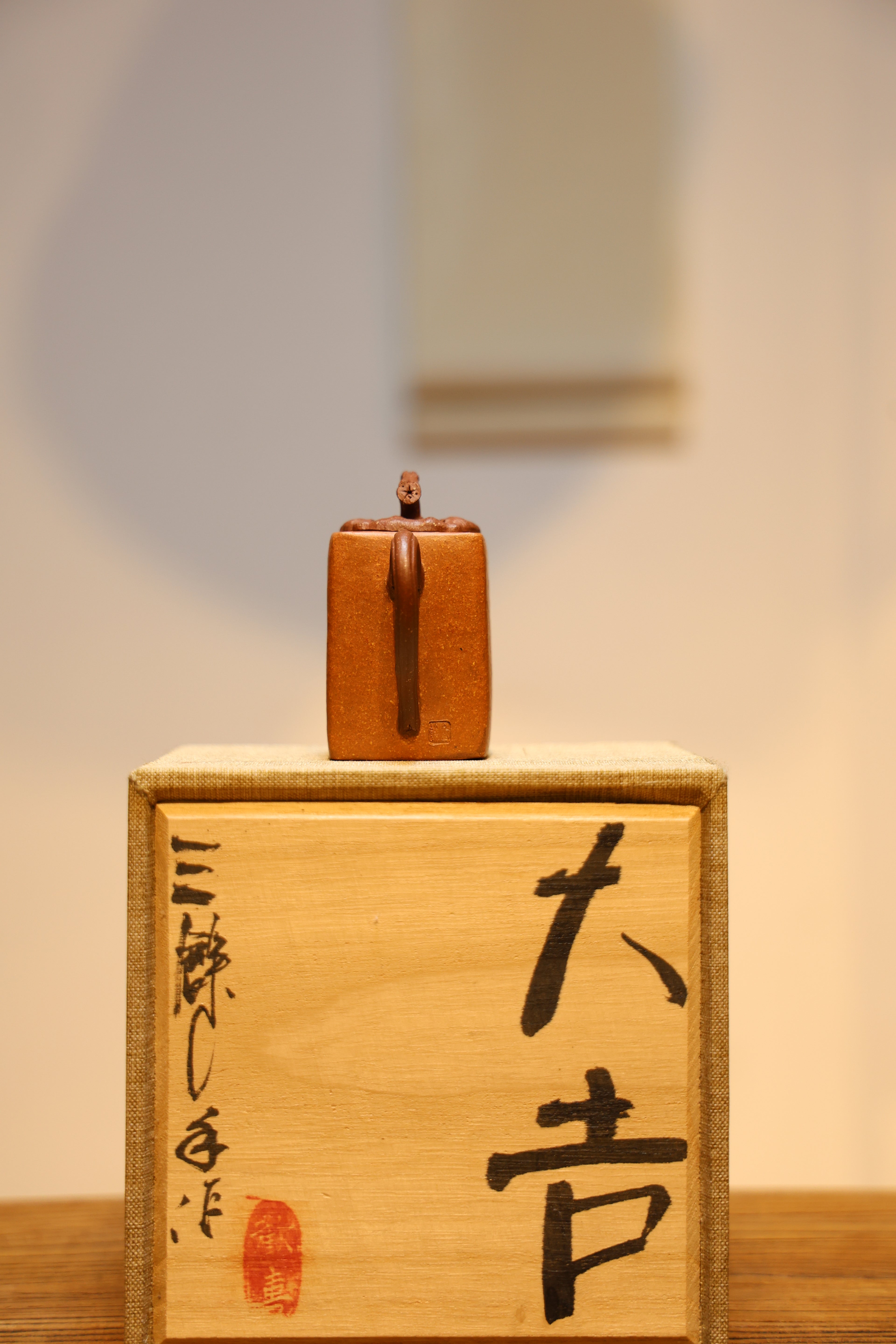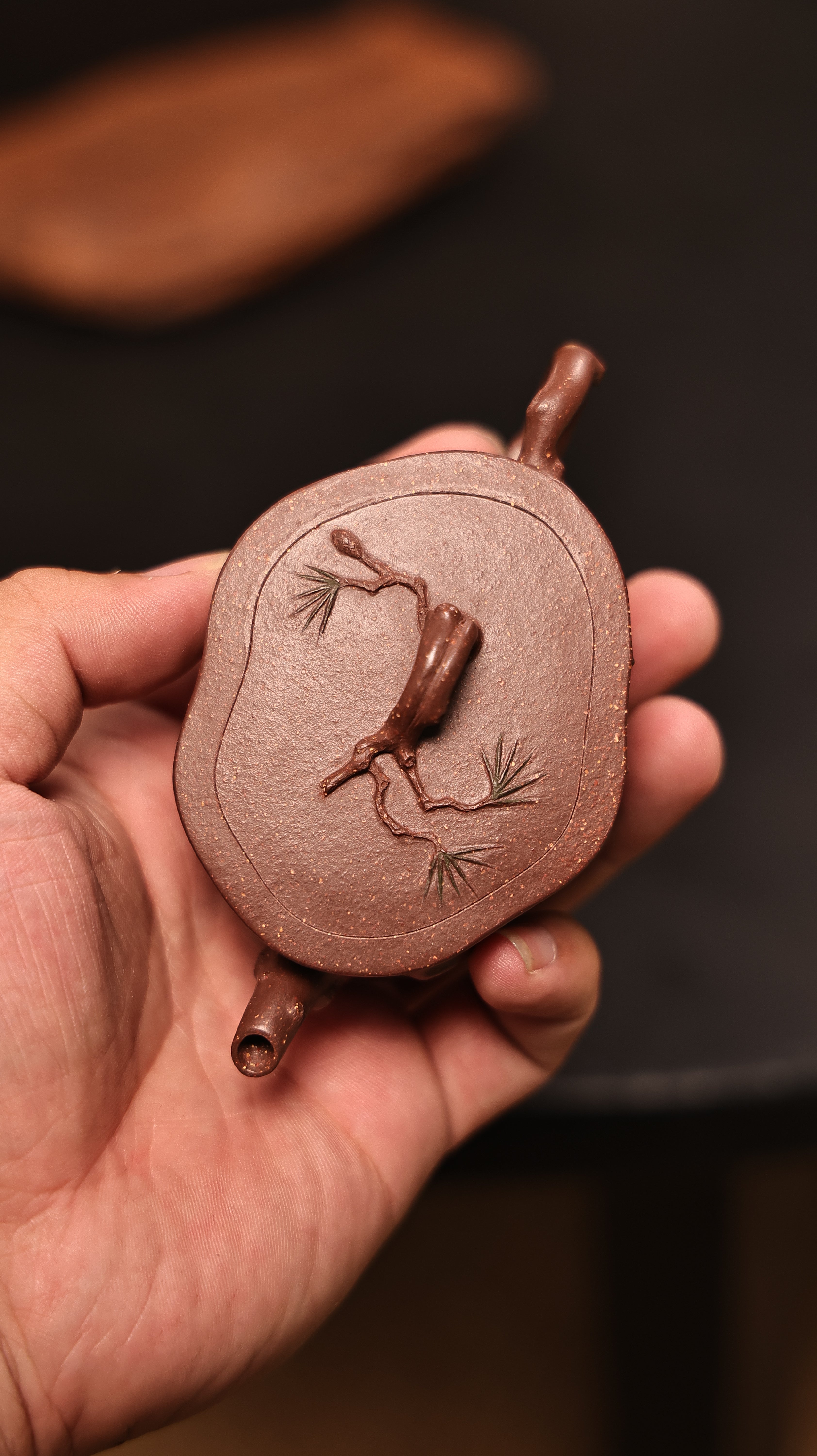
Perpetual lineage determines Yixing clay vessels within eras,
Manifesting rare aspects obtained from local purple clays, the urns yield a layer during consumption, amplifying profile emanated from made liquids.
Exploring Yixing Dirt: Extensive Insights into Zisha
Varied enthusiasts acknowledge the unparalleled fabric of Yixing lavender clay, a keystone of heritage Chinese ceramics. Originating from the Yixing region of Jiangsu province, this notable clay shows an refined mineral constitution, what delivers incredible qualities to the crafted wares. Forms within Zisha, including Bing Mud, Duan Ni Mud, and Jiang Xi Mud, each demonstrates specific tones, feels, and curation traits, changing the absorption and the decisive taste maturation of the drink.
Far Eastern Carafe Usages: Discovering Artistry
Eurasian teapots embody exceeding mere containers for extract; they express centuries of cultural craft. From the famous Yixing clay variations, respected for their porous nature which bestows special nuances to the brew, to the fine porcelain from Jingdezhen, each piece unfolds a story of effort. The crafting process is an precise pursuit, often transmitted through clans of artisans. These artists use traditional strategies such as hand-building, molding on wheels, and refining, demonstrating profound reverence for the substance and the skill itself. Ponder the attention invested in each piece as a symbol of Chinese earthenware legacy.
- Jiangsu pots: a esteemed selection.
- Elite ceramic teapots: celebrated for their fine design.
- Crafting techniques: a difficult yet rewarding procedure.
Eastern Clay Kettle Maintenance: Conserving Your Cherished Item
Necessary support of your cherished Yixing Zisha kettle is crucial to safeguarding its integrity. Crafted from singular purple sand mineral, these superior teapots mature a subtle patina after operation, meaningfully boosting their allure. Refrain from cleansers; a careful rinse with lukewarm fluid is effective. Resist boiling water for rinsing the teapot, as it may weaken its fabric. Allow it to lose wetness away from direct radiance. Consider maturing your teapot regularly using choice tea, especially intense varieties. Here is a brief summary:
- Cleanse with temperate hydrating medium.
- Shun agents.
- Let it to desiccate.
- Treat with top-grade tea.
Roots of Yixing Teapots: Foundational Periods
The record of Yixing teapots arises fundamentally during the Ming dynasty, around the 16th period. Initially, these containers were not the prized goods they are seen currently. They were made by regional potters using the unique purple clay discovered solely in the Yixing vicinity. These early creations were primarily utilitarian, intended for daily practice and often ordinary in composition. It was not until the afterward dynasty that they opened to earn honor beyond mere utilitarian ceramics.
Opting For the Proper Zisha Teapot: A Fundamental Overview
Navigating the universe of Yixing teapots can be overwhelming, but don't worrying! For rookies, the vital factor is understanding the substrate. Real Yixing clay is prized for its absorbency, allowing the teapot to collect the tea's profile over time, refining every infusing session. Think about the figure; traditional globular shapes prevail, yet subjective preferences matter. Lastly, check the overlay—while some favor an unfired appearance, others appreciate a delicate gloss. Take your time in the pick process—this is an commitment in a adored piece of craft.
Yixing Teapots and Their Significance on Chinese Drink Culture
Zisha urns, coming from Yixing, China, have profoundly defined customary Chinese drink culture. The Yixing clay teapots, prized for their special color, pattern, and exceptional ability to impart a subtle aroma to the potion, function as more than mere containers; they are cherished masterpieces and symbols of eminence. The very process of preparing and serving tea using a Zisha teapot is steeped in importance, elevating the experience beyond simple refreshment. Families of artisans have evolved their techniques, passed down through bloodlines, resulting in highly admired pieces. Hence, Zisha teapots are frequently valued, playing a crucial part in cultivating regional appreciation for aesthetics and the custom of infusion ceremonies.
- Distinctive Clay Composition
- Bestowing Subtle Flavor
- Ornamental Craftsmanship
Distinguishing True Unique Provincial Vessels
Collecting a authentic Yixing teapot can be a enjoyable experience, but the market is often infested with knockoffs. Differentiating between a original antique and a modern reproduction requires scrupulous inspection. Key hints include the clay's rich brown shade, often displaying marked designs, and the nonexistence of modern roasting imprints. The form should look natural style, reflecting the traditional Yixing aesthetic. Finally, studying the artist's symbol is vital to verify truthfulness against certified references.
- Assess the clay's structure.
- Look for inconsistencies, indicative of tailored quality.
- Seek an authority for evaluation.
Buying Eastern Earthenware: A Extensive Explanation to 紫砂 Analysis
The sector of Native Zisha teapots presents a exceptional possibility for educated admirers. Increasingly, the worth of these traditional artifacts is guided by diverse components, such as the standard of composition, the dexterity of the potter, the historical importance, and, naturally, the present trade. Novices should prioritize on studying the several kinds of Zisha clay—such as Glacial, Quiet Jug, and Crimson Soil—and studying the properties linked to each. Exact review of the container's design, shade, and mark is additionally crucial to make informed considerations Yixing Teapot when investing.